
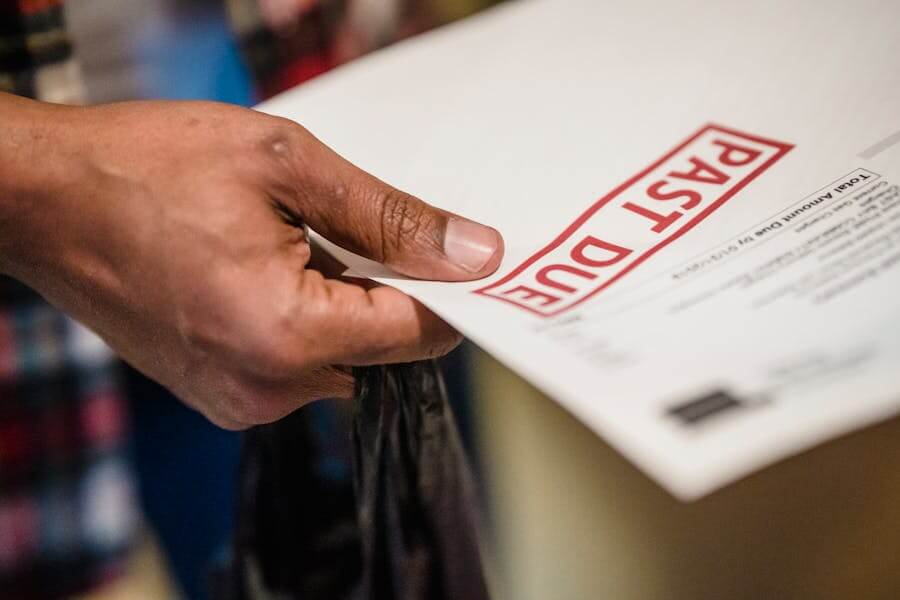
Not all IRS levy notices are created equal. Many are just for your information and may just be filed away. However, some are serious and not to be taken lightly. One such example is the IRS CP504 and/or Letter 11. If you have received one or both, below we will show you what to do and how to navigate a CP504 or Letter 11 from the IRS.
The IRS Collection Notice Timeline: What Happens Before a CP504?
The IRS collection process follows a specific, automated notice stream before escalating to severe tax enforcement actions. After you file a tax return with a balance due—or the IRS assesses a balance on your behalf—the agency will send an initial notice and demand for payment, typically an IRS CP14 notice.
You are intended to pay the unpaid tax debt or set up an IRS payment plan. If not, the computer system automatically generates a series of increasingly urgent reminder notices. This sequence includes the CP501 notice (a first reminder) and the CP503 notice (a second, more aggressive reminder). If these warnings are ignored, your account escalates to the critical CP504 stage. Please note that the IRS is not obligated to send these reminders.
What is an IRS CP504 Notice (Notice of Intent to Levy)?
An IRS CP504 notice is officially titled a “Notice of Intent to Levy.” This letter features bold, urgent typography warning that the IRS intends to seize your property or rights to property to satisfy your back taxes. Because of its harsh wording, the CP504 notice often causes taxpayers to panic, They can mistakenly believing that their bank accounts or wages will be seized immediately. Additionally, the notice warns that your failure-to-pay penalty may increase from 0.5% to 1% per month. This can happen fairly soon if the balance remains unresolved within 10 days.
Does a CP504 Notice Mean Immediate Bank Levy or Wage Garnishment? (The Reality)
Despite the alarming language, the CP504 notice primarily authorizes the IRS to levy only one specific asset. This is your state income tax refund.
It is crucial for tax resolution purposes to understand that the CP504 is not the final legal notice required to seize your wages, bank accounts, personal assets, or retirement funds. The notice does state that the IRS will begin searching for other assets to seize. They cannot legally execute a levy on those broader assets based solely on the CP504. Furthermore, the CP504 notice does not grant you the statutory right to request a formal Collection Due Process (CDP) hearing.
Escalation: What Comes After IRS Notice CP504?
If you do not resolve your tax liability after receiving the CP504, the IRS will move forward with active enforcement. The next step in the collection process is the issuance of a Final Notice of Intent to Levy and Notice of Your Right to a Hearing.
This final warning usually arrives via certified mail in the form of an IRS Letter 11 (LT11), CP90, or Letter 1058. Once this final notice is issued and expires, the IRS has legally met the requirements to seize your bank accounts, garnish your wages, and take your physical property.
Understanding the IRS Letter 11 (LT11) Notice
A Letter 11 (or LT11) is a computer-generated “Final” Notice of Intent to Levy typically issued by the IRS Automated Collection System (ACS).
The Letter 11 formally informs you that the IRS intends to levy your property—such as wages, bank accounts, and accounts receivable—30 days from the date of the letter. Most importantly, receiving an LT11 officially triggers your statutory right to request a Collection Due Process (CDP) hearing before any of these severe levies can be executed.
How to Stop an IRS Levy: The Collection Due Process (CDP) Hearing
A Collection Due Process (CDP) hearing is a powerful administrative appeal that allows you to formally contest an IRS collection action and halt enforced collections. This includes bank levies and wage garnishments.
You only have a strict 30-day window from the date of your Final Notice to exercise this right and protect your assets. Procedural rules are rigid and navigating the IRS appeals process is highly complex. You should not attempt to handle this alone. It is highly recommended to seek a collection resolution specialist who can properly file the appeal on your behalf. They can also legally freeze IRS collection actions and represent you before the Appeals Officer.
Top Tax Resolution Strategies to Fix a CP504 or Letter 11
Resolving an escalating IRS collection notice requires a strategic approach based on your unique financial data. Rather than trying to navigate the IRS bureaucracy yourself, you should engage a collection resolution specialist. They can evaluate your case and determine which tax relief options you are eligible for. A specialist can help you negotiate and secure the best possible outcome, which may include:
- IRS Partial Payment Installment Agreement: If you qualify for this plan, you can continue to pay reduced monthly payments. Then, if you are unable to pay off the entire balance within the allowed period, any balance left at the end of the term is forgiven and written off.</li>
- Currently Not Collectible (CNC) Status: Pausing collections entirely if paying the IRS would cause severe economic hardship.
- Offer in Compromise (OIC): Settling your total tax debt for less than the full amount owed if you lack the ability to pay before the statute of limitations expires.</li>
- Revenue Officer Representation, Penalty Abatement, and other strategies.
What to do if you get a CP504 Letter 11 in California
Do you have IRS problems in Los Angeles and are on the verge of receiving a CP540 or Letter 11? Ace Plus Tax Resolution has the extensive experience to help you resolve your California tax debt. We can help before, during, or after these notices. We can contact the IRS on your behalf in order to get the best possible outcome for your unique situation. Get in touch today to get started.